
American Farming 2
SquadBuilt IncSimulation
3.9131.00 Reviews
- Version
- 2.0.68
- Installs
- 10.00K
- Age Rating
- Everyone
Screenshots
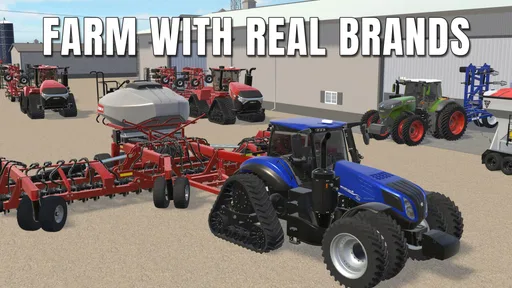
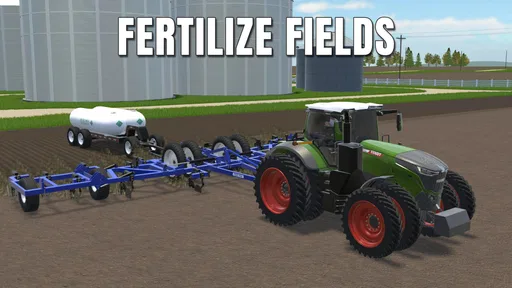
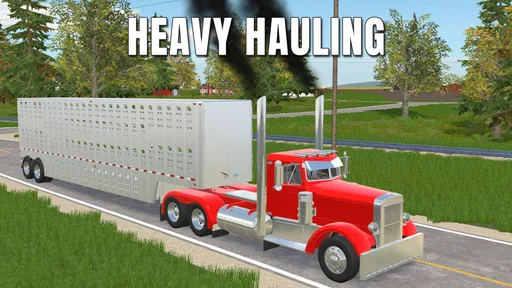
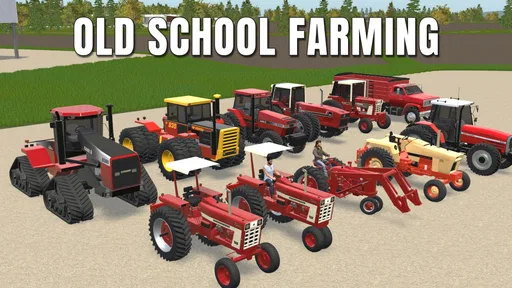
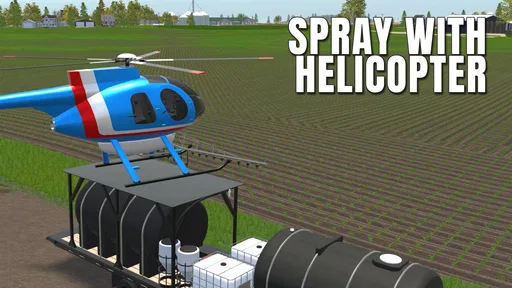
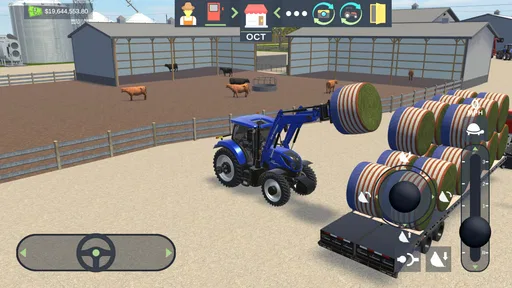
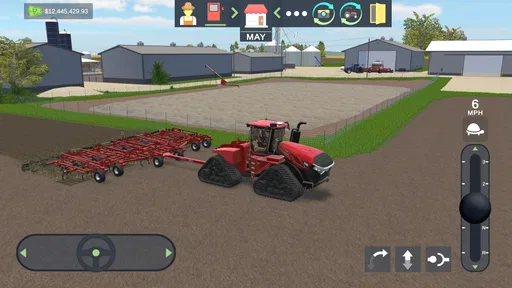
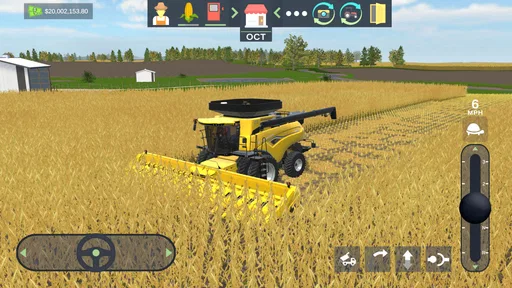
Our Review of American Farming 2
 Analysis by Appyee
What caught my attention in American Farming 2 is not simply the promise of a larger farm. The game is built around the practical pleasure of operating substantial agricultural machinery across broad fields, with recognizable American equipment as part of the experience. That focus gives this simulation a clear identity: it is less about quick arcade rewards and more about planning a workday, choosing a sensible order for jobs, and watching a field change because of the decisions I made.
I reviewed it as a mobile simulation rather than expecting a full desktop farming simulator squeezed onto a phone. That distinction matters. The game works best when I treat each task as a small routine instead of rushing from one activity to another. It has enough structure to make the farm feel like a project, while the controls and pacing are approachable enough for someone who has never played a detailed agricultural game.
It is free to download, with optional purchases ranging from $0.99 to $19.99 per item. The age rating is Everyone, so the presentation is suitable for a broad audience. SquadBuilt Inc is the developer, and the game currently sits at a 3.9 average from around 604 ratings, with more than 10K installs. Those figures suggest a modest but active audience rather than a massive mainstream hit, which fits my impression: this is a focused farming game for people who specifically enjoy machinery, fields, and steady progress.
Why the equipment-and-field focus matters
The central capability is the combination of large-scale equipment and open field work. In many mobile farming games, the farm becomes a collection of buttons: tap a crop, wait for a timer, collect a reward, and repeat. Here, the appeal comes from feeling that the equipment is part of the job. The field is not merely a background for an icon; it is the space where the work happens and where I have to think about movement, timing, and the order of operations.
That difference changes the mood of a session. I do not play only to empty a list of chores. I play to settle into a rhythm. A machine needs to be positioned, a pass needs to be completed, and the next stage of the work makes more sense once the previous one is finished. Even when the task itself is straightforward, the physical scale of the machinery makes the farm feel more tangible than a typical menu-driven idle game.
The use of real American brands also supports that sense of place. I am not being asked to learn an abstract set of vehicles with interchangeable names. The branded equipment helps the game feel connected to a recognizable farming tradition, especially for players who already know agricultural machinery or enjoy simulation titles built around real-world objects. It is a meaningful part of the atmosphere, not just a decorative label.
The strongest result is that the game gives ordinary work a satisfying weight. Driving across a field is not automatically exciting, but it becomes rewarding when I have a clear reason for doing it and can see the farm gradually becoming more productive. That is the capability I would highlight to a friend: the game turns field preparation and machine handling into the main attraction instead of treating them as background actions.
Learning the rhythm instead of chasing speed
My first useful adjustment was to stop treating every job as a race. The temptation in a mobile game is to look for the fastest possible input, but farming benefits from a calmer approach. I found it easier to understand the controls and the field layout when I concentrated on clean passes and deliberate positioning. That also made mistakes less frustrating because I could identify what went wrong instead of blaming the interface.
This is where the simulation category works in its favor. The game is not demanding in the same way as a competitive action title, but it does ask for attention. I need to keep track of what I am doing, where the machine is headed, and whether I am setting myself up well for the next pass. The satisfaction comes from reducing wasted movement over time.
A useful habit is to think one job ahead. Before finishing a task, I consider where I want the vehicle to be when the next task begins. That small change makes the farm feel more efficient and prevents a session from becoming a series of disconnected trips. It is also one of the reasons the large fields matter: they give planning enough room to have a noticeable effect.
How the work feels during a normal session
In practice, I approach a session as a short workday. I begin by deciding what deserves attention first, then I stay with that activity long enough to understand its pattern. If I jump between unrelated tasks too quickly, the game feels slower. If I complete one stage carefully and then move logically to the next, the same session feels more purposeful.
The controls are most comfortable when I make small corrections rather than large, sudden movements. That may sound obvious, but it matters more when the vehicle occupies a lot of space on the field. A broad turn can create unnecessary repositioning, while a gentle adjustment keeps the work flowing. Players who prefer instant, highly automated interactions may find this deliberate handling a little slow; I found it to be central to the game’s character.
The branded machinery also affects how I choose to play. I pay more attention to the role of each vehicle instead of seeing every option as a cosmetic upgrade. The best choice is not always the one that looks most impressive. A machine that suits the job and the space can make a session smoother than equipment selected only for its size or appearance.
One non-obvious strength is how this encourages a personal workflow. I can create a routine that feels efficient to me rather than following a single rigid sequence. I prefer to group related work and avoid unnecessary crossings through the field. Another player might prioritize a different order because they enjoy a particular machine or want a more relaxed pace. That flexibility gives the simulation more staying power than a fixed checklist.
A realistic everyday use case
Imagine having a short break after work and wanting something calmer than a competitive game. I can open the farm, choose one manageable job, and spend the session improving a single part of the operation. I do not need to master every system immediately. A focused visit can be satisfying because the reward is not only a number going up; it is the feeling that I left the farm in better shape than I found it.
This also makes the game suitable for players who enjoy routine-based entertainment. Someone who likes organizing a city, managing a workshop, or arranging a virtual home may appreciate the same gradual sense of order here. The difference is that the work is represented through vehicles and field movement, so the experience feels more physical than a purely menu-based management game.
I would not recommend approaching it as a five-minute action fix if you need constant surprises. The game’s appeal grows when I allow a task to develop. Its most enjoyable moments come from settling into the process, not from being interrupted by a new event every few seconds.
Where it differs from simpler farming alternatives
Compared with casual farming games built around timers, American Farming 2 asks me to engage more directly with the work. Those alternatives are often better when I want quick progress, bright rewards, and minimal control. They can be played almost entirely through menus, which makes them convenient but also removes much of the farming identity.
Compared with highly detailed farming simulators on larger platforms, this game is easier to approach on a phone. I do not need to commit to a long technical session before understanding the basic appeal. The trade-off is that players seeking the deepest possible management model may find the mobile format less demanding than a dedicated simulation on PC or console.
That middle position is important. The game is not trying to be an idle clicker, but it is also not something I would choose when I want a complex economic model with every part of a real farm represented. Its strength is the balance between recognizable equipment, hands-on field activity, and a level of accessibility that suits mobile play.
The trade-offs behind the slower pace
The same deliberate handling that makes the game distinctive can become friction. If I am tired or only have a moment to play, repeating careful field passes may feel like work rather than relaxation. The game rewards patience, so players who want immediate variety should know that the core activity stays focused on farming operations.
Large fields can also make poor planning more noticeable. A small mistake in positioning may cost extra movement, and that can feel disproportionate when I am still learning the layout. My advice is to treat early sessions as practice rather than judging the game by how quickly the first job is completed. Once I developed a consistent route, the scale felt more rewarding and less awkward.
The free entry point is helpful, but optional purchases are part of the overall experience. I would approach them carefully and first decide whether I enjoy the basic farming loop. The game’s main appeal should be clear before spending money, because purchases cannot turn a player who dislikes slow, hands-on simulation into someone who enjoys it.
Another trade-off comes from the real-brand emphasis. For fans of American agricultural equipment, it adds authenticity and interest. For players who do not care about machinery brands, it may feel less important than the field work itself. In that case, the vehicles still support the simulation, but the branding will not be a major reason to continue playing.
Small decisions that improve the experience
I recommend starting with one objective at a time instead of trying to understand the entire farm immediately. This makes it easier to learn how the controls respond and how much space a vehicle needs to turn. It also helps reveal whether the game’s pace suits you before you invest significant time.
Second, I would avoid choosing equipment solely because it is larger. Bigger machinery sounds like the natural goal in a game centered on big equipment, but maneuverability and task suitability matter more during ordinary play. The impressive option is not automatically the most comfortable one, especially when I am still learning how to line up passes.
Third, I found it useful to finish a work pattern before changing direction. Repeatedly crossing the field at random makes the farm feel inefficient and increases the chance of losing track of what has already been handled. A simple, repeatable route turns the open space into something I can manage rather than something I have to constantly correct.
Finally, I would play with the sound and pace in mind. This is the kind of game that benefits from a relaxed setting. If I am multitasking heavily, I tend to miss the small satisfaction of the machinery and field routine. When I give it focused attention, even a modest task feels more complete.
Who will get the most from it
The best audience is someone who enjoys hands-on farming simulation but wants a mobile-friendly entry point. You will probably appreciate it if real American equipment interests you, if broad fields sound more appealing than tiny decorative plots, and if you enjoy games where progress comes from improving a routine rather than winning a match.
It is also a good fit for players who like quiet, repeatable sessions. I can imagine recommending it to a friend who finds management games relaxing but wants more direct control than tapping upgrade buttons. The field work gives that person something concrete to do, while the simulation structure provides a reason to keep refining the approach.
I would suggest skipping it if your priority is constant action, rapid unlocks, or a highly automated farming loop. I would also point experienced simulation fans toward a larger-platform alternative if they want the most elaborate possible treatment of agricultural management. This game’s value is not that it covers every farming detail; it is that it makes equipment and field handling the center of a focused mobile experience.
Families may also find the Everyone rating reassuring, and the straightforward theme is easy to understand. Still, younger players who expect instant rewards may need patience, because the strongest parts of the game depend on repetition and planning rather than nonstop novelty.
My verdict after spending time with the farm
American Farming 2 succeeds when I let it be a farming routine rather than demanding that it behave like an action game. The large equipment, open fields, and real American brands give the simulation a clear personality, while the manageable mobile format keeps the idea approachable. I especially like the way a sensible work pattern can make the same field feel more rewarding over time.
It is not perfect for every mobile player. The pace can feel slow, field work may require more patience than expected, and optional purchases mean I would test the basic loop before spending. The current version is 2.0.68, and the game was released on Aug 20, 2026, so anyone discovering it now is entering a project with a defined identity rather than a vague farming theme.
My recommendation is straightforward: try it if the thought of operating farm machinery across broad fields sounds relaxing. Give yourself time to learn a route, choose equipment for the job rather than appearance, and judge the game by how satisfying the work becomes once your routine improves. If that process sounds enjoyable, SquadBuilt Inc has made a farming simulation that can occupy a pleasant space between a casual mobile game and a more demanding full-scale simulator.
Verdict
Strengths of American Farming 2
- Large open-world map with varied terrain to explore
- Wide selection of tractors, trucks, and farming equipment
- Realistic weather and day-night cycles improve immersion
- Multiple crop types provide variety in daily farm tasks
- Offline play makes it convenient when no internet is available
Limitations of American Farming 2
- Controls can feel awkward on smaller phone screens
- Progress may become repetitive after extended play sessions
- Some machines and upgrades require significant grinding
- Graphics quality varies between vehicles and environments
- Performance may drop on older or budget devices
Other Releases by SquadBuilt Inc
View All
American Farming
Simulation4.6
Similar Picks in This Category
View All
Truckers of Europe 3
Wanda Software4.3

Town Building Life Simulator
XGame Global4.2

Fidget Toys Trading・Pop It 3D
Freeplay Inc4.7

Sculpt People
CrazyLabs LTD4.4

Scary Teacher 3D
Z & K Games4.2

Hair Tattoo: Barber Shop Game
CASUAL AZUR GAMES4.3
Frequently Asked Questions
What is American Farming 2?
American Farming 2 is a mobile farming simulation game focused on building and managing your own agricultural operation. Players can work fields, grow crops, raise livestock, operate farming machinery, and expand their property over time. It is designed for users who enjoy slower-paced management gameplay, where planning, equipment choices, seasonal tasks, and financial decisions all influence the success of the farm.
Can I play American Farming 2 offline?
American Farming 2 may offer gameplay that works without a constant internet connection, which is convenient when traveling or playing in areas with limited service. However, certain features can depend on an active connection, including advertisements, cloud-related services, updates, online events, or purchases. Before relying on offline access, it is recommended to launch the game once while connected and check which modes remain available without internet.
Is American Farming 2 free to download and play?
The game can generally be downloaded without an upfront purchase, but free access does not necessarily mean that every feature is completely unrestricted. Depending on the version and platform, American Farming 2 may include optional in-app purchases, advertisements, or paid items that help unlock content or speed up progress. Players should review the store listing and purchase settings before letting children play.
What can I do in American Farming 2?
The main experience revolves around managing a working farm rather than completing a short series of simple levels. You can cultivate land, plant and harvest crops, care for animals, use agricultural vehicles, and improve your property as your resources grow. The game is best suited to players who enjoy combining hands-on tasks with budgeting, equipment management, and long-term expansion decisions.
Will American Farming 2 run well on my Android or iPhone?
Performance depends on your device model, operating system, available storage, and the amount of memory available while playing. Farming simulations can become demanding when they include large maps, detailed vehicles, animals, and changing environments. Check the official Google Play or App Store requirements before downloading, keep your system updated, and close unnecessary background apps if you experience slowdowns, crashes, heat, or unusually fast battery drain.
Play our best games!


